


At the Works: A Study of a Manufacturing Town (~1910)


Sold
Delivery Information
Select your location to see estimated delivery.
Description
Lady Bell, the author of At the Works: A Study of a Manufacturing Town, was not only a chronicler of her era but also a woman with strong convictions that shaped her perspectives on social issues. Born into a privileged background, Lady Bell's life was intertwined with her family and her husband's steelworkers in Middlesbrough.
Published in 1907, "At the Works" provided a meticulous account of the lives of her husband's steelworkers, shedding light on the working-class conditions of the time. Lady Bell's work served as a candid portrayal of the challenges faced by these laborers, from meager wages to the hardships endured by their families. She highlighted the prevalence of alcoholism and criticized women's inability to manage household duties while caring for their families.
Lady Bell's views, however, reflected the prevailing attitudes of her social class. She did not advocate for significant reforms in the lives of the working class or women's rights. Instead, she believed in traditional gender roles, where women were caregivers and homemakers.
Her stance extended to her involvement in the Anti-Suffrage League during a time when the suffragette movement was gaining momentum. Lady Bell firmly opposed granting women the right to vote, considering them ill-suited for political participation. Her writings and advocacy against suffrage aligned with her conservative views on gender and society.
In retrospect, Lady Bell's contributions, while not progressive, provide valuable insights into the attitudes and beliefs of her time, particularly among the upper classes. Her work remains a historical document, offering a glimpse into the complex social dynamics of the early 20th century, even if her views may not align with contemporary values and aspirations for equality and social change.
Condition report
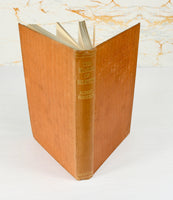
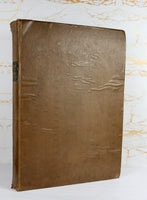
The text block is tight, the pages are generally clean and the boards are in very good condition. There's browning on the end pages and some pencil marks on the pastedown and ffep.